
Determining the ideal East Java tour timing is absolutely crucial for ensuring you experience the spectacular volcanic landscapes under the best possible conditions. Whether you are planning a short weekend getaway or an extensive overland expedition, understanding how the Mount Bromo weather fluctuates throughout the year can make or break your holiday. As detailed in our complete regional travel instructions, arriving during the optimal season guarantees clear panoramic views and much safer hiking trails across the national park.
Because the rugged mountainous terrain is highly exposed to the elements, paying close attention to the local climate is incredibly important before booking any tickets. Heavy rainfall can easily cause thick fog and muddy paths, which unfortunately obscure the famous sunrise views from the crater rim. Therefore, we have compiled this comprehensive guide to help you choose the perfect months for your visit, allowing you to fully enjoy a seamless, safe, and entirely breathtaking adventure.
- Understanding the Ideal East Java Tour Timing
- How Mount Bromo Weather Impacts Your Trip
- Finalizing Your East Java Visit Schedule
- Frequently Asked Questions
Understanding the Ideal East Java Tour Timing
To thoroughly enjoy your magnificent volcanic expedition, distinguishing between the dry season and the rainy season remains incredibly essential. Generally, Indonesia experiences a distinct dry period that stretches from April to October. Conversely, the heavy monsoon rains typically arrive between November and March. Because sudden downpours can create hazardous, slippery trails across the sandy caldera, planning your visit during the drier months significantly improves your overall safety and comfort.
Therefore, when determining the best month for East Java, seasoned travelers highly recommend scheduling your trip between May and August. During this peak travel window, the skies remain remarkably clear, offering unparalleled visibility of the stunning Tengger caldera. Furthermore, the stable weather conditions allow you to capture breathtaking photographs without the frustrating interference of thick morning fog. Ultimately, carefully selecting the proper months guarantees a much smoother and far more enjoyable highland adventure.
How Mount Bromo Weather Impacts Your Trip
When preparing your Java visit schedule for an early morning ascent, understanding how the Mount Bromo weather fluctuates is absolutely vital. Typically, the pre-dawn temperatures near the crater drop drastically, often hovering between 5 and 10 degrees Celsius. Because the chilling mountain winds can easily penetrate light clothing, wearing a thick windproof jacket and warm gloves is highly recommended. Consequently, arriving properly dressed ensures you remain comfortably warm while waiting for the spectacular dawn to break.
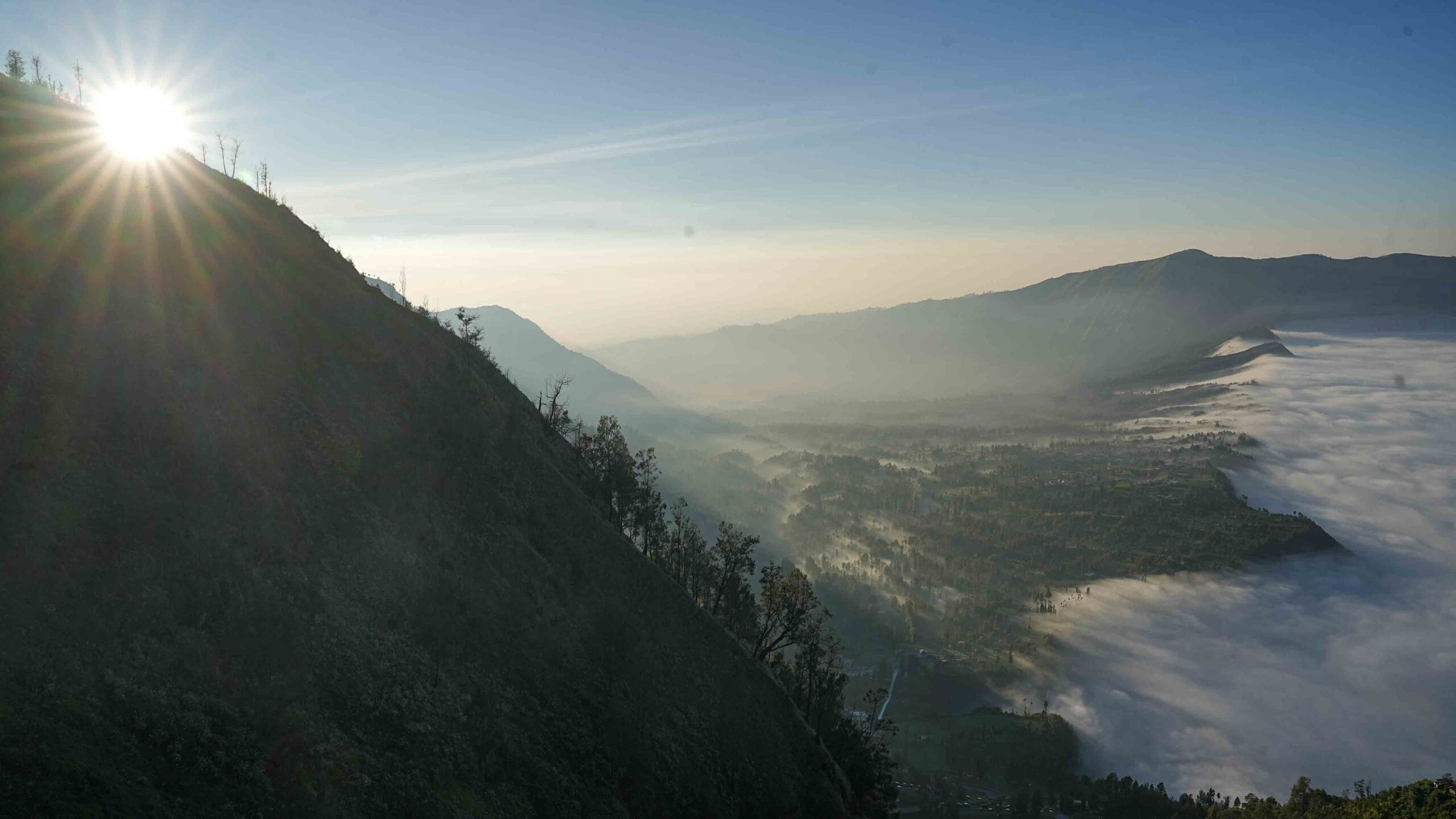
Furthermore, cloudless conditions play a massive role in revealing the iconic panoramic views over the Tengger caldera. If heavy rain or thick mist suddenly rolls in, the sweeping vistas of the volcanic landscape might completely disappear behind a white wall of fog. Therefore, targeting the dry season actively maximizes your chances of witnessing a truly unforgettable, golden sunrise without any visual obstructions.
Monitoring Forecasts for Your Java Visit Schedule
To prevent any frustrating weather-related surprises, constantly monitoring the local climate before you travel is a remarkably smart strategy. For instance, accessing accurate global weather forecasts allows you to track approaching storms or unexpected rain showers days in advance. By regularly checking these trusted meteorological updates, you can confidently adjust your daily itinerary and avoid the worst weather conditions entirely.
Additionally, once you confirm a promising window of clear skies, you should immediately finalize your logistics. Since transportation options during peak sunny months sell out rapidly, securing your travel tickets securely becomes your absolute top priority. Ultimately, combining real-time weather tracking with proactive booking habits guarantees a smooth, perfectly timed volcanic expedition.
Finalizing Your East Java Visit Schedule
Now that you completely understand the seasonal climate shifts, finalizing your East Java visit schedule becomes the most important step in your holiday preparation. Because the heavy monsoon rains can quickly disrupt outdoor activities, we strongly encourage you to lock in your travel dates during the optimal dry window between May and August. By preparing your itinerary early, you actively ensure a safe, incredibly comfortable, and truly breathtaking experience atop the stunning volcanic craters.
Are you entirely ready to embark on this spectacular highland journey? Since peak dry season months attract thousands of global adventurers, premium mountain accommodations and reliable local transport sell out remarkably fast. Furthermore, protecting your trip against unexpected delays or sudden weather changes is absolutely vital. Click here to apply travel insurance today, and officially kickstart your unforgettable adventure before the rainy season arrives!
Frequently Asked Questions
What is the best month for East Java?
For the most optimal experience, we strongly suggest planning your trip between May and August. During this peak dry season window, the skies remain remarkably clear, which allows you to seamlessly witness the magnificent sunrise without any disruptive fog or heavy rainfall ruining the view.
How cold does it get at night?
Pre-dawn temperatures at the mountain base routinely drop to between 5 and 10 degrees Celsius. Because the high-altitude wind chill makes it feel significantly colder, you must pack a thick windbreaker, warm gloves, and a cozy beanie to stay completely comfortable during your early morning wait.
[…] craters, choosing the right months for your journey is critical. Consequently, checking the ideal travel timing and weather conditions ensures you catch perfectly clear, unobstructed panoramic […]